



The Rise of Gas Fuel Injectors: CNG and LNG Solutions for Commercial Fleets
Introduction
The global commercial transportation industry is undergoing a decisive paradigm shift as logistics operators, municipal transit authorities, and long-haul freight carriers accelerate the transition away from conventional diesel. Driven by stringent environmental mandates and volatile petroleum prices, commercial fleets are increasingly turning to alternative clean energy solutions, with Compressed Natural Gas (CNG) and Liquefied Natural Gas (LNG) emerging as the primary viable substitutes. Unlike traditional liquid fuels, gaseous energy carriers offer a cleaner burn profile, significantly lowering harmful emissions while maintaining the heavy-duty power output required for commercial mobility.
At the center of this energy transformation are major financial and strategic imperatives: drastically reducing the Total Cost of Ownership (TCO), mitigating tailpipe pollutants, and fulfilling strict Environmental, Social, and Governance (ESG) compliance benchmarks. However, converting gaseous fuels into reliable engine torque requires specialized hardware. The high-precision gas fuel injector serves as the critical interface in this process, delivering metered mass flows of gaseous fuel directly into the engine's intake stream or combustion chamber. Whether deploying dedicated CNG fuel injectors or heavy-duty LNG gas injectors, achieving complete combustion efficiency depends entirely on the injector's ability to maintain precise air-fuel stoichiometry under rapidly changing load conditions.
To realize the operational benefits of natural gas mobility, fleet operators and powertrain engineers must understand the underlying technical architectures of specialized natural gas injectors / gas fuel injectors. Unlike standard gasoline or diesel injectors, gas fuel injectors must handle dry gas dynamics, prevent high-pressure static leakages, and accommodate variable thermal environments ranging from high-pressure ambient gas to cold vaporized streams.
As Dr. Arthur Miller, Senior Fellow at the Clean Transportation Technology Institute, observed: "The shift to natural gas in heavy commercial transport is not merely a fuel swap; it is an architectural evolution where high-speed, durable gas fuel injectors serve as the cornerstone of both thermodynamic efficiency and fleet profitability." This comprehensive guide examines how advanced CNG and LNG injection technologies are shaping the future of decarbonized commercial logistics.
The Technical Evolution of Natural Gas Injectors vs. Liquid Fuel Systems
Engineering a high-performance gas fuel injector presents fundamental physics and mechanical challenges distinct from those of traditional liquid fuel systems. Liquid gasoline and diesel injectors rely on hydraulic fluid pressure to atomize liquid droplets through micro-orifices, relying on the fuel's inherent lubricity to protect internal moving components. In contrast, natural gas injectors / gas fuel injectors meter fully vaporized, compressible gaseous media. Because gaseous fuels lack natural fluid lubrication and possess significantly lower mass density per unit volume, a gas fuel injector must open faster, lift higher, and feature larger flow passages to deliver equivalent energy content into the engine.
Operating in a dry gas environment introduces severe mechanical wear and sealing risks that liquid injectors never face. Without fluid lubrication, internal valve needles and armatures experience high metal-to-metal dry friction during high-frequency actuation cycles. To combat premature wear, advanced CNG fuel injectors and LNG gas injectors utilize specialized surface treatments—such as Diamond-Like Carbon (DLC) coatings and synthetic ceramic inserts—that maintain extremely low friction coefficients without liquid lubrication. Additionally, preventing gas micro-leakages under high static pressures requires ultra-precise valve seat tolerances and specialized elastomeric seals capable of resisting chemical degradation from trace compressor oil carryover.
Thermal isolation and metallurgical selection are equally vital to long-term injector reliability. Gas fuel delivery systems experience severe thermal swings: high-pressure CNG decompression causes significant Joule-Thomson cooling, while vaporized LNG lines introduce low-temperature fuel streams into hot engine bays. Consequently, high-performance gas fuel injectors are engineered using corrosion-resistant stainless steel alloys, temperature-stabilized solenoid coils, and thermal isolation spacers to prevent coil resistance drift and mechanical binding caused by uneven thermal expansion.
Achieving exact air-fuel stoichiometry during rapid throttle transients requires exceptional metering precision. Because gas volume fluctuates dynamically with temperature and pressure variations, modern natural gas injectors / gas fuel injectors work in tight synchronization with Engine Control Unit (ECU) algorithms. By providing high dynamic flow capacity and microsecond pulse-width consistency, these advanced injectors eliminate engine hesitation, smooth out torque delivery, and ensure complete combustion across all commercial operating cycles.
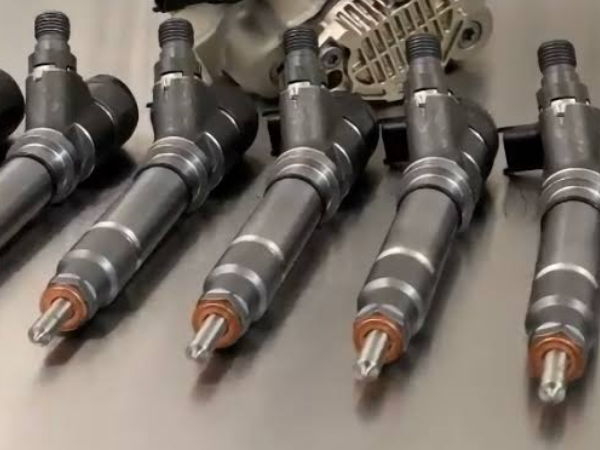
High-Pressure CNG Fuel Injectors: Precision Solutions for Urban and Regional Fleets
Commercial fleets operating within urban and regional corridors demand instantaneous throttle response, high thermal durability, and strict emission controls under continuous stop-and-go conditions. To meet these demands, high-pressure CNG fuel injectors are engineered to operate reliably under storage rail pressures reaching up to 200 bar, metering compressed natural gas with extreme volumetric accuracy. By maintaining precise mass flow rates under fluctuating rail pressures, a dedicated CNG fuel injector ensures smooth combustion whether the fuel storage tanks are fully charged or near depletion.
Urban duty cycles subject commercial engine components to rapid load swings and non-stop idle-to-acceleration transitions. High-performance gas fuel injectors designed for CNG applications utilize lightweight, low-inertia internal armatures combined with high-flux solenoid coils. This design enables rapid pulse-width response times down to the sub-millisecond range, allowing the Engine Control Unit (ECU) to adjust gas injection duration dynamically during sudden acceleration. Consequently, high-speed natural gas injectors / gas fuel injectors eliminate low-speed engine hesitation, prevent lean misfires, and deliver smooth, responsive low-end torque.
The versatility of modern CNG fuel injectors makes them the primary fueling hardware across a wide array of urban commercial applications:
- Urban Transit Buses: Delivering quiet, vibration-free acceleration while enduring continuous 18-hour daily operational cycles.
- Municipal Waste Trucks: Providing high low-end torque for heavy hydraulic compaction while idling or creeping along collection routes.
- Short-Haul Delivery Vans & Regional Rig Fleets: Maintaining optimal fuel economy and sharp throttle response across variable city and suburban traffic.
From an environmental standpoint, deploying precision CNG fuel injectors yields immediate air-quality benefits over traditional diesel engines. By optimizing the air-gas mixing ratio, high-efficiency gas fuel injectors completely eliminate visible toxic black smoke and diesel particulate matter (PM2.5). Furthermore, stoichiometric CNG combustion equipped with advanced gas injection control reduces nitrogen oxides (NOx) and non-methane organic gases (NMOG), enabling transit agencies and private logistics operators to comfortably exceed stringent municipal air-quality standards.
Highlighting this environmental and operational impact, Dr. Elena Rostova, Director of Clean Urban Transportation Initiatives, stated: "In dense urban environments, replacing legacy diesel fleets with high-pressure CNG fuel injectors is one of the most effective strategies available today. The pinpoint metering accuracy of modern gas fuel injectors directly converts clean-burning natural gas into instant, soot-free power, providing an immediate solution for municipal decarbonization."
Vaporized LNG Fuel Injectors: High-Flow Power Delivery for Heavy Long-Haul Logistics
Heavy long-haul freight transport presents unique thermodynamic and fluid-handling challenges that far exceed the operational limits of urban-duty fuel systems. For Class 8 semi-trucks and transcontinental logistics rigs, vaporized LNG fuel injectors serve as the vital link for delivering massive mass-flow rates of natural gas into high-displacement, heavy-duty engines. Because Liquefied Natural Gas is stored cryogenically at ultra-low temperatures—typically around minus 162 degrees Celsius—the fuel must first pass through high-efficiency heat exchangers and vaporization units before entering the fuel rail as a high-pressure gas stream.
Operating within this cryogenic-to-ambient thermal transition requires exceptional engineering precision inside the LNG gas injector. To prevent liquid flashing and thermal shock, internal fuel rails and injector bodies incorporate advanced temperature management design. Furthermore, because heavy freight engines demand immense torque at sustained highway speeds, vaporized LNG fuel injectors must provide wide dynamic flow ranges capable of matching the volumetric fueling requirements of large displacement diesel-cycle conversions.
To endure the harsh chemical and mechanical environments of heavy-duty freight operation, modern gas fuel injectors feature robust thermal resilience characteristics:
- Fluorinated Synthetic Seals: Engineered to withstand extreme temperature cycling without hardening, cracking, or permitting high-pressure gas bypass.
- Anti-Friction Needle Coatings: Utilizing specialized surface treatments to eliminate dry-friction wear during high-frequency actuation cycles.
- Heat-Isolating Housings: Shielding internal solenoid coils and piezoelectric actuators from conducted cylinder head heat to prevent resistance drift.
By integrating these high-flow components, heavy-duty logistics fleets achieve true diesel-equivalent pulling power, grade-climbing capability, and 1,000-plus-mile highway operating ranges on a single cryogenic fill. This allows long-haul fleets to slash carbon emissions significantly without sacrificing payload capacity or transit schedules.
Summarizing the impact of this heavy-duty hardware, Marcus Vance, Director of Powertrain Engineering at TransContinental Freight Dynamics, emphasized: "Long-haul decarbonization hinges entirely on our ability to deliver dense energy cleanly and reliably. Advanced vaporized LNG fuel injectors provide the massive flow capacity and thermal endurance required to turn liquefied natural gas into a powerhouse for transcontinental freight."
Total Cost of Ownership (TCO) & Fleet ROI Analysis
For commercial fleet operators and logistics executives, transitioning to alternative fuel powertrains is ultimately a financial decision governed by the Total Cost of Ownership (TCO). While traditional diesel engines have long dominated heavy transport due to established fueling infrastructure, fluctuating petroleum prices and rising carbon tax penalties have severely impacted long-term operating margins. Adopting Compressed Natural Gas (CNG) and Liquefied Natural Gas (LNG) platforms—powered by high-efficiency gas fuel injectors—offers a compelling economic counterweight through substantial fuel cost savings per kilometer and significantly reduced maintenance overhead.
The immediate return on investment (ROI) stems directly from the widening price differential between ultra-low sulfur diesel and natural gas. Fleet operators consistently report fuel expenditure reductions ranging from 20% to 40% depending on regional energy markets. Furthermore, because high-precision CNG fuel injectors and LNG gas injectors achieve near-complete combustion efficiency, they drastically minimize raw particulate emissions. This eliminates the need for expensive active regeneration cycles and complex aftertreatment fluids, shielding fleets from frequent particulate filter replacements and reducing unplanned downtime.
However, maximizing fleet ROI requires careful component durability planning. Because natural gas operates in a dry, unlubricated environment, low-quality or poorly maintained natural gas injectors / gas fuel injectors can suffer from premature seat wear or micro-orifice contamination, leading to unbalanced cylinder fueling and efficiency losses. Investing in premium, heat-resistant gas fuel injectors equipped with advanced anti-friction coatings ensures extended service life, maintaining optimal fuel economy over hundreds of thousands of demanding commercial miles.
Real-world municipal and logistics case studies underscore these financial advantages. For instance, a major regional distribution fleet in North America that converted 150 heavy-duty trucks to LNG recorded a full capital payback on its infrastructure and engine conversion investment within 28 months, driven entirely by fuel savings and avoided carbon compliance fines.
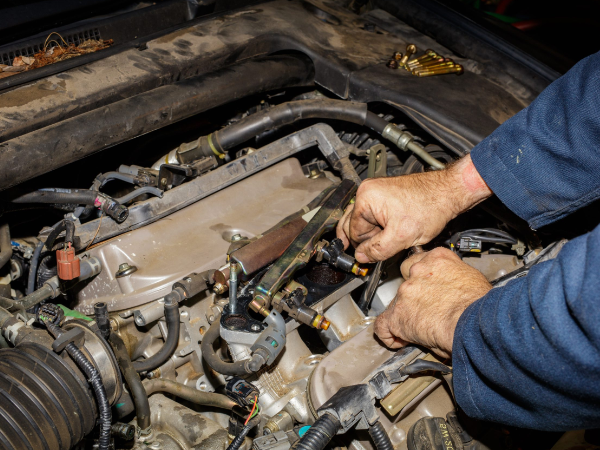
Technical Comparison Matrix: CNG vs. LNG Fuel Injection Systems
Selecting the optimal gaseous fuel architecture requires fleet managers and engine builders to evaluate technical performance parameters against specific operational duty cycles. While both Compressed Natural Gas (CNG) and Liquefied Natural Gas (LNG) rely on precision gas fuel injectors to achieve clean combustion, the physical state and delivery conditions of the fuel demand distinct hardware specifications.
Evaluation Metric | High-Pressure CNG Fuel Injector | Vaporized LNG Fuel Injector |
|---|---|---|
Primary Storage Pressure | 200 – 250 bar | 10 – 16 bar (Post-Vaporization Rail) |
Fuel State at Rail | Compressed Ambient Gas | Cold Vaporized Gas |
Operating Temperature Range | -40°C to +125°C | -60°C to +105°C |
Volumetric Flow Capacity | Moderate to High (Urban/Regional) | Very High (Heavy Long-Haul) |
Actuation Speed | Fast (Sub-millisecond pulse width) | Rapid High-Mass Flow Actuation |
Primary Sealing Material | High-Friction Fluorocarbon / HNBR | Low-Temp Fluorinated Synthetic Elastomers |
Key Fleet Applications | Transit Buses, Waste Trucks, Urban Delivery | Class 8 Freight Rigs, Regional Logistics |
Understanding gasification dynamics is critical when specifying hardware across variable ambient operating conditions. A CNG fuel injector must handle significant pressure drops and rapid expansion dynamics as gas moves from high-pressure storage tanks to the intake plenum. Conversely, an LNG gas injector operates on vaporized gas supplied from cryogenic tanks, requiring specialized internal thermal insulation to prevent valve binding caused by localized thermal contraction.
When transitioning fleet powertrains from legacy diesel to natural gas, procurement specialists should consider clear hardware sourcing guidelines:
- For Urban Stop-and-Go Fleets: Specify CNG fuel injectors built with ultra-light armatures to ensure rapid transient response, maintaining precise air-fuel ratios during frequent acceleration.
- For Transcontinental Heavy Freight: Deploy vaporized LNG fuel injectors featuring maximized orifice diameters and cryogenic-grade synthetic seals to sustain high mass flow rates under continuous heavy load.
- For Variable Ambient Environments: Ensure all natural gas injectors / gas fuel injectors feature temperature-compensated solenoid coils and Diamond-Like Carbon (DLC) needle coatings to resist dry-friction wear regardless of temperature swings.
Diagnostic and Maintenance Strategies for Gas Injector Longevity
Maintaining maximum engine efficiency and ensuring long-term fleet uptime requires a structured preventive maintenance framework for gas fuel injectors. Operating under high pressures and in unlubricated environments subjects gaseous fuel hardware to mechanical wear and chemical contamination. Without systematic diagnostic monitoring, failing injectors can cause lean misfires, elevated exhaust gas temperatures, unburned methane slip, and premature engine downtime.
Fleet maintenance teams must regularly monitor four primary operational failure modes in gaseous injection systems:
- Dry Friction and Valve Seat Wear: Continuous high-frequency metal-to-metal contact without fluid lubrication leads to micro-pitting on valve seats and needles, altering calibrated seat clearances and causing fuel metering drift.
- Elastomeric Seal Degradation: Extreme thermal cycling and pressure fluctuations cause high-pressure O-rings and internal static seals to harden or swell, leading to dangerous gas micro-leakages.
- Heavy Hydrocarbon Contamination: Oil carryover from CNG station compressors or LNG fuel supply pumps can pass through supply lines, creating sticky varnish deposits that bind needle movement in CNG fuel injectors.
- Micro-Orifice Clogging: Trace particulates and dissolved solids in low-grade natural gas accumulate around spray orifices, restricting gas volume flow and causing cylinder power imbalance.
Preventive care protocols form the first line of defense against premature hardware failure. Fleet technicians should enforce strict replacement schedules for high-pressure gas coalescing filters to capture oil aerosols before they reach the fuel rail. Additionally, regularly inspecting supply line integrity prevents contamination from entering sensitive LNG gas injectors and high-pressure natural gas injectors / gas fuel injectors.
When performance issues arise, technicians utilize advanced electronic and mechanical diagnostic routines. Oscilloscope tracking allows service teams to analyze Engine Control Unit (ECU) actuation pulse widths and solenoid current profiles in real time, detecting shorted coils or sluggish needle movement. Technicians also perform electronic sensor calibration checks and conduct static helium leak testing across fuel rails to confirm valve seat tightness under working pressure.
For off-vehicle servicing and bench testing, specialized automated flow benches simulate operating conditions. Injectors undergo ultrasonic bath cleaning using non-corrosive solvent fluids to remove baked-on oil residue from internal passages. Following cleaning, technicians evaluate static and dynamic gas mass flow rates, verify pulse-width linearity, and test valve seat sealing integrity before re-installing components onto commercial vehicles.
Conclusion: Fueling the Future of Decarbonized Commercial Logistics
The transition toward sustainable heavy transport highlights the indispensable role that advanced gas fuel injectors play in modern commercial fleets. Throughout this technical guide, we have explored how high-pressure CNG fuel injectors and high-flow vaporized LNG fuel injectors overcome the complex challenges of dry-gas dynamics, cryogenic thermal management, and strict emissions compliance. By delivering precise mass-flow rates and microsecond pulse-width control, these specialized natural gas injectors / gas fuel injectors empower commercial operators to achieve significant reductions in tailpipe pollutants—including particulate matter (PM2.5) and nitrogen oxides (NOx)—while matching the heavy-duty torque and reliability of traditional diesel powertrains.
Looking toward the horizon of zero-emission mobility, natural gas fuel injection technology serves as a vital bridge toward a fully decarbonized future. As logistics infrastructure expands to incorporate Renewable Natural Gas (RNG) and emerging hydrogen-gas blending architectures, the foundational metallurgy, ceramic coatings, and precision seating geometries engineered into modern gas fuel injectors will remain entirely relevant. Fleet executives, engine builders, and procurement leaders must carefully align their powertrain specifications with these advanced fueling solutions to optimize Total Cost of Ownership (TCO), secure long-term operational durability, and lead the global shift toward sustainable freight logistics.
FAQs
Q1: Why do natural gas injectors require different engineering compared to liquid gasoline or diesel injectors?
Natural gas injectors must meter dry, compressible gaseous fuel rather than pressurized liquid droplets. Because gaseous fuels lack natural fluid lubrication, natural gas injectors / gas fuel injectors experience severe metal-to-metal dry friction, requiring specialized anti-friction coatings (such as DLC), advanced thermal isolation, and larger internal flow passages to deliver equivalent engine energy.
Q2: What are the primary operating pressure differences between CNG and LNG fuel injection systems?
High-pressure CNG fuel injectors typically manage storage and rail pressures reaching up to 200 to 250 bar of compressed ambient gas. In contrast, vaporized LNG fuel injectors operate on vaporized fuel supplied from cryogenic tanks, with post-vaporization rail pressures typically regulated between 10 and 16 bar to feed heavy-duty long-haul engines.
Q3: How do precision gas fuel injectors help commercial fleets comply with strict environmental regulations?
By providing rapid pulse-width response and precise air-fuel mass stoichiometry, advanced gas fuel injectors ensure complete, clean combustion. This eliminates toxic black smoke, slashes particulate matter (PM2.5) emissions to near-zero levels, and significantly reduces nitrogen oxides (NOx), allowing fleets to meet stringent EPA, Euro, and regional air-quality standards without complex aftertreatment fluids.
Q4: What causes premature wear or clogging in CNG and LNG injectors, and how can it be prevented?
The primary causes of failure include heavy hydrocarbon oil carryover from compressor stations, particulate contamination, and dry-friction valve seat wear. Fleet operators can prevent these issues by enforcing strict maintenance schedules for high-pressure coalescing gas filters, using clean commercial-grade natural gas, and periodically conducting ultrasonic flow bench testing.
Q5: How does upgrading to natural gas fuel injection impact the Total Cost of Ownership (TCO) for freight fleets?
Adopting natural gas powertrains equipped with high-durability gas fuel injectors lowers operating expenses by capitalizing on the significant price differential between diesel and natural gas—often yielding fuel cost savings of 20% to 40%. Additionally, cleaner combustion reduces particulate filter maintenance and eliminates active diesel regeneration costs, ensuring rapid capital amortization for fleet operators.



Company: Shandong Topkit Construction Machinery Equipment Co., Ltd.
Phone: +86 152 6392 0563
WhatsApp: +86 152 6392 0563
Email: [email protected]
Address: 1-1-401, Hailiang Mansion, Liuhang Street, High-tech Zone, Jining City, Shandong Province, China